


The restaurant data platform for your entire team
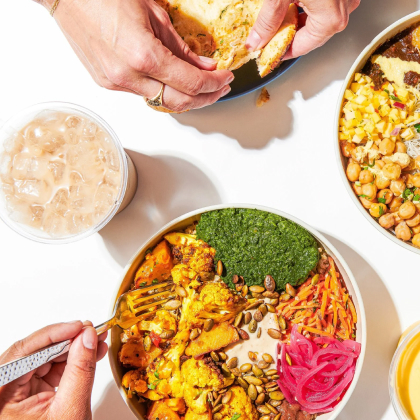
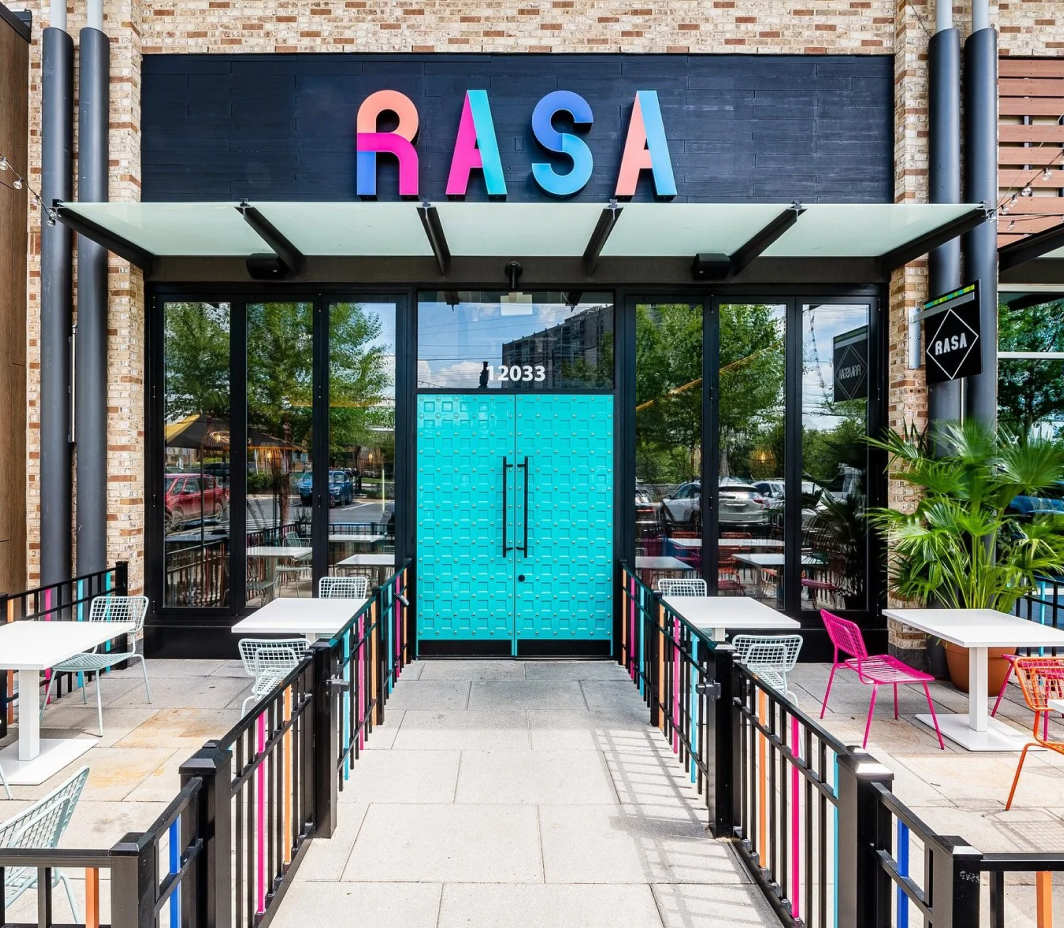

RASA brings bold Indian flavors to the fast-casual space with customizable bowls, vibrant sauces, and a mission to make Indian cuisine more approachable for first-time guests. The brand has built a passionate following across the DC metro area, blending hospitality, culture, and chef-driven recipes that speak to tradition and innovation alike.
As the team worked to become more data-driven, they wanted deeper visibility into how individual dishes performed – not just in terms of sales, but in their ability to bring guests back. PMIX showed what was popular, but it didn’t reveal which items were turning first-time visitors into repeat guests. To better understand which menu choices were truly driving retention, RASA turned to Bikky for clarity.
.jpg)
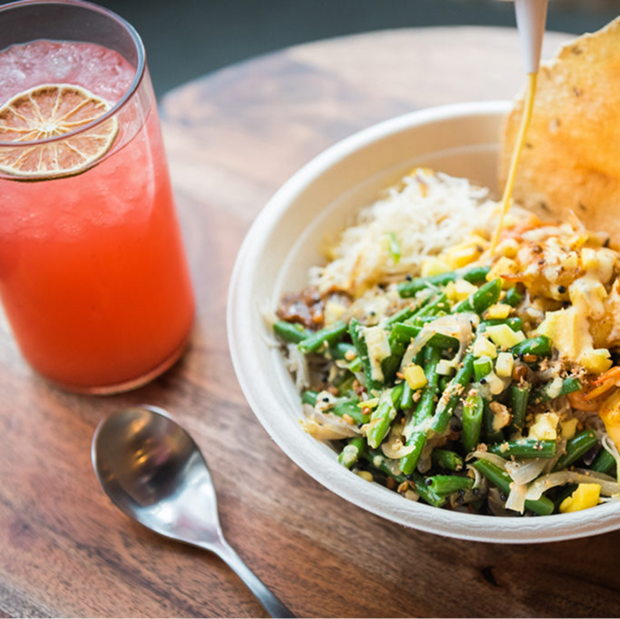
Using sales reports and PMIX data, the RASA team could identify their top-selling items. As expected, the strongest performers were those inspired by recognizable dishes and those featuring chicken.
But for a brand built on guest trust and approachability, topline performance wasn’t the full story. What they really wanted to understand was what happened after the first order: whether guests who chose each item returned for a second visit—and if they did, whether they ordered that same item again. The menu needed to turn first-timers into loyal fans, but without the right data, it was difficult to know which items were actually accomplishing that goal.
Using Bikky, RASA drilled into item-level retention, frequency metrics, and guest demographics to understand menu item performance. The team compared top-selling dishes to their likelihood of driving a second or third visit and identified specific items that needed recipe reworking, repositioning, or clearer naming.
For example, using Bikky’s demographic insights, RASA tested a clear hypothesis: could a simple naming shift attract more male guests to a predominantly female audience? After initially launching a new item as a “wrap” the team reintroduced it as an “indian burrito” to better align with the hefty portion size and to try to attract more male guests. Within weeks, the data showed a decisive shift – the item became the top-performing choice among male guests. What started as a wording test quickly evolved into a broader lesson in how menu framing directly shapes who walks through the door and who comes back.
As the demographic mix shifted more male, Trey and his team saw retention for the item rise as well, reinforcing that the updated marketing better aligned with guest expectations and drove stronger overall performance.
“Bikky has helped us make better menu decisions. It has opened up a way to look at sales beyond PMIX, and understand which menu items drive third and even fourth repeat visits.”
After the “indian burrito” test the RASA team has leaned further into handhelds and built out an entire category of their menu.
But the real shift went deeper than one product line. Bikky’s data fundamentally changed how RASA evaluates its menu. Today, items aren’t judged solely by what sells in the moment — they’re measured by what brings guests back. With Bikky, the team can clearly see which dishes drive second and third visits, which ones attract new guests, and which deserve further investment.
What began as a simple question about retention has evolved into a new operating philosophy: every menu item must earn its place by building loyalty.
“Before Bikky, we weren’t clear on what made people come back. Now, we see each customer's journey: what they ordered, how often they returned, how often they changed their orders, and more. These insights help us understand our demographics, our offerings, and how to improve our menu strategy and further customize our brand.”
The restaurant data platform for your entire team