


The restaurant data platform for your entire team

AI is driving the conversation in the restaurant industry right now. From voice ordering and drive-thru automation, to personalized marketing and data analytics - it feels like the use cases are endless. But despite the noise, there's not a lot of real insight on how operators are actually using AI in their work.
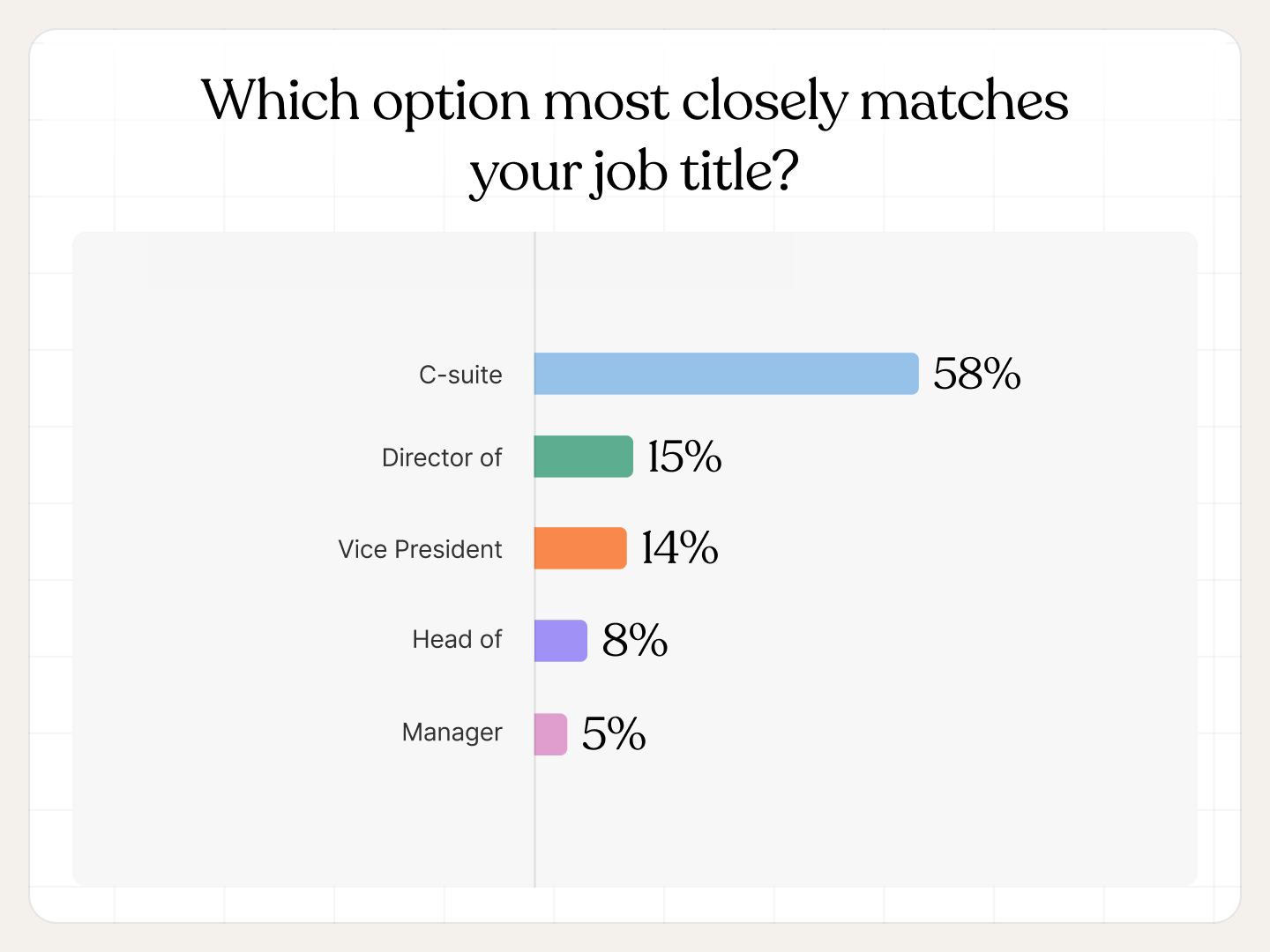
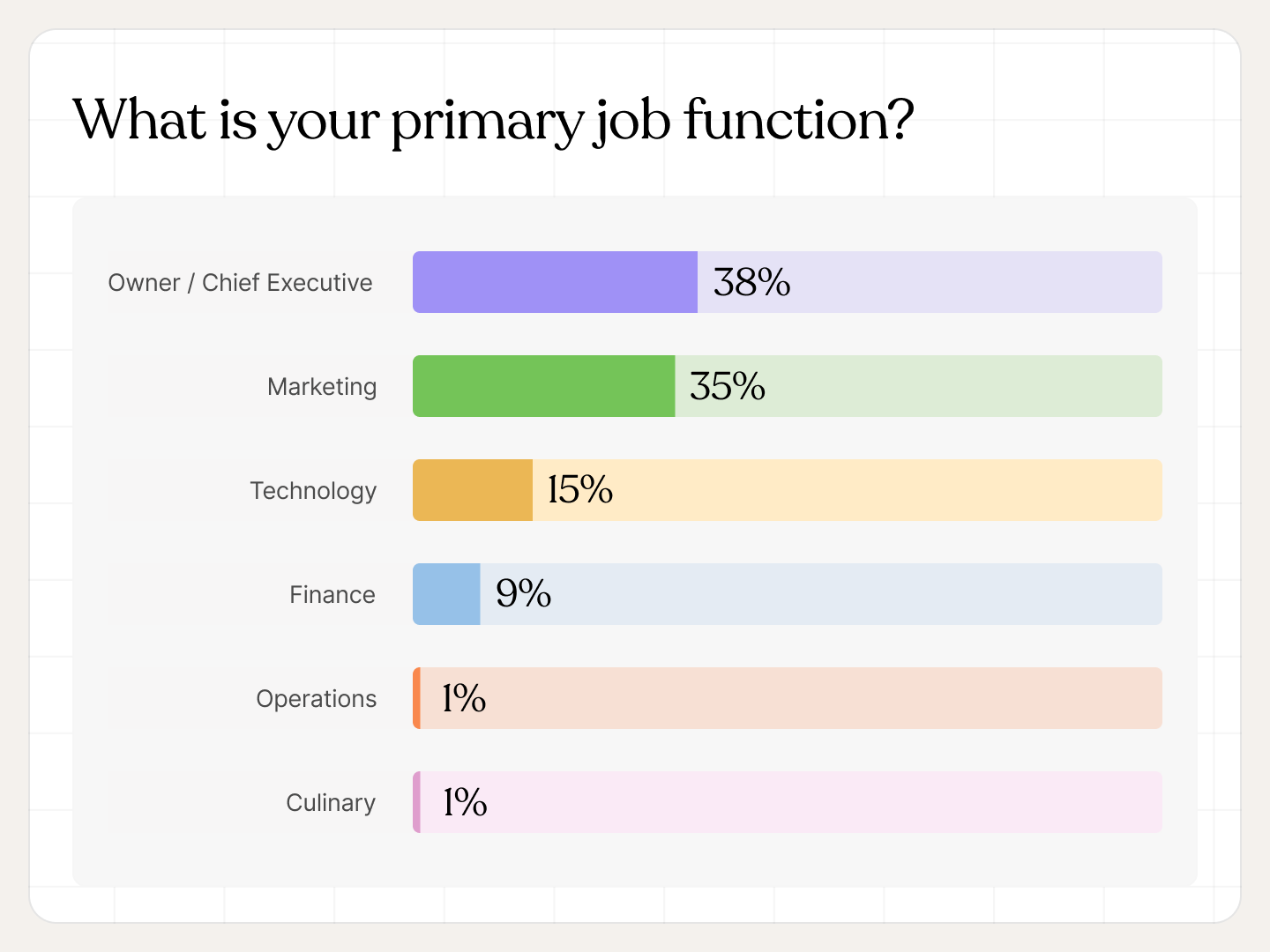
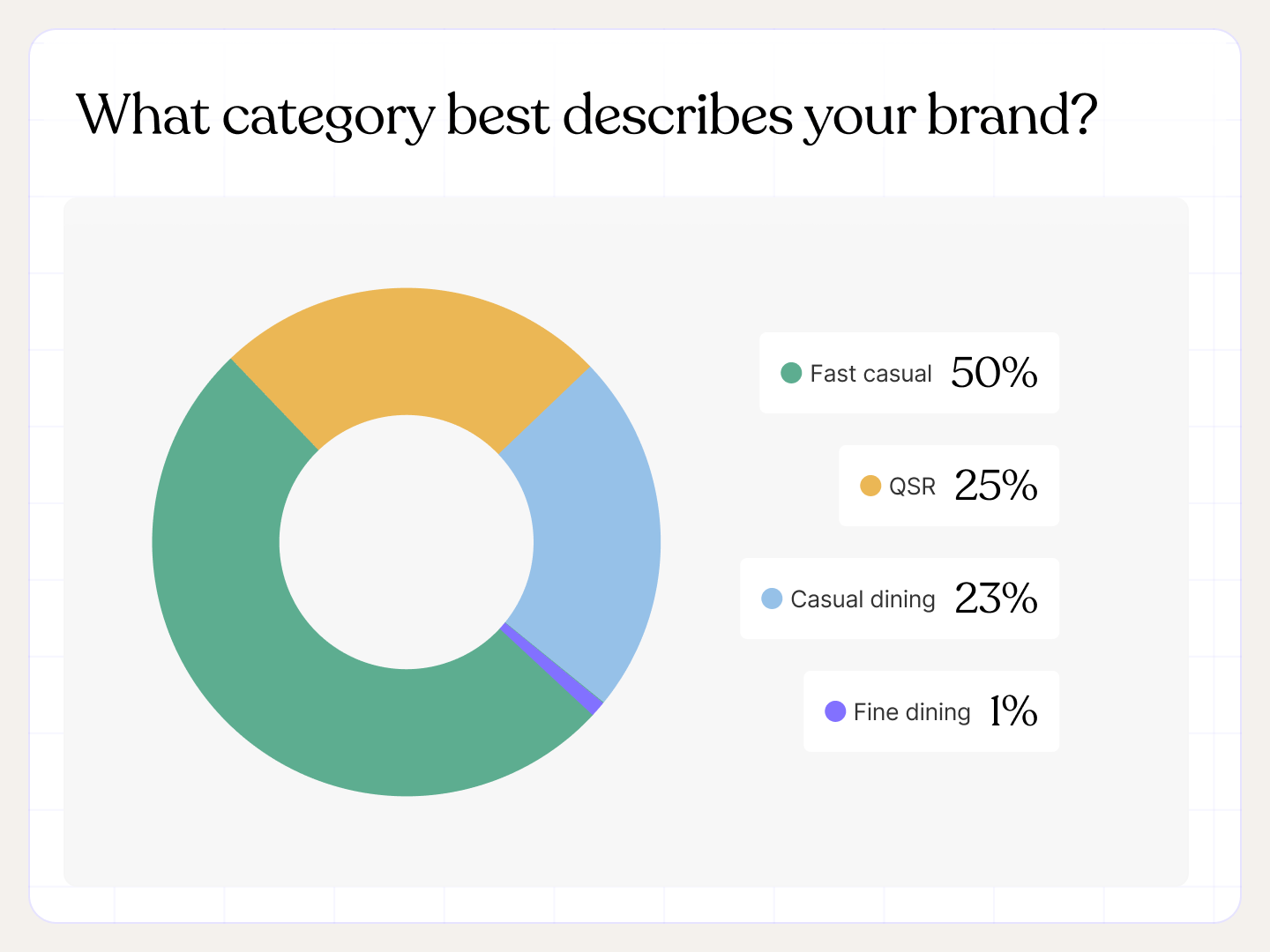
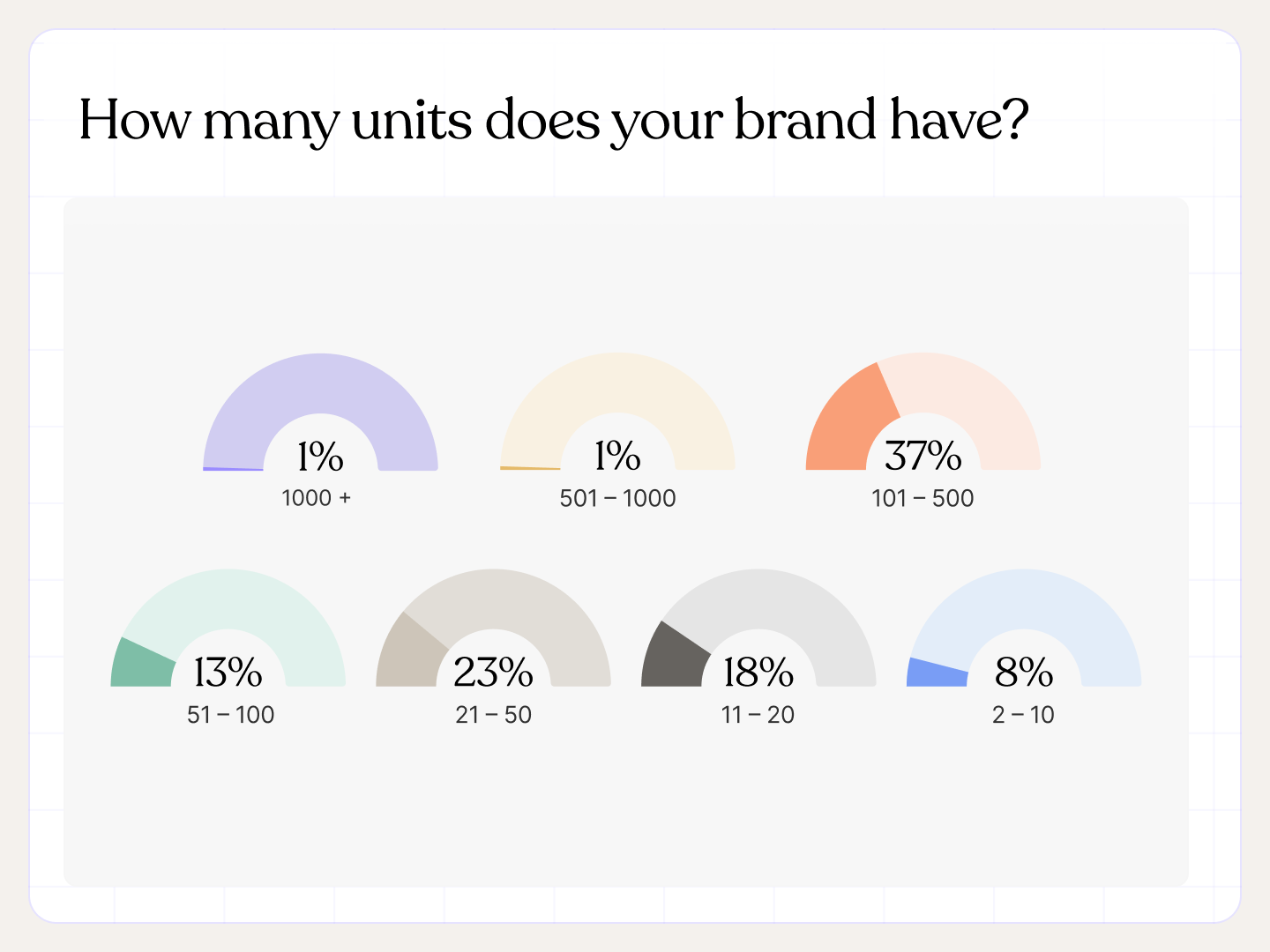
So we surveyed over 75 multi-unit operators to find out.
We break down the complete findings below in four parts: usage, value, blockers to adoption, and the pressure to adapt. We also dissect the results based on whether or not an operator feels like their brand has a dedicated AI strategy. The results paint a unique picture of where AI is today for restaurants, and where it goes from here.
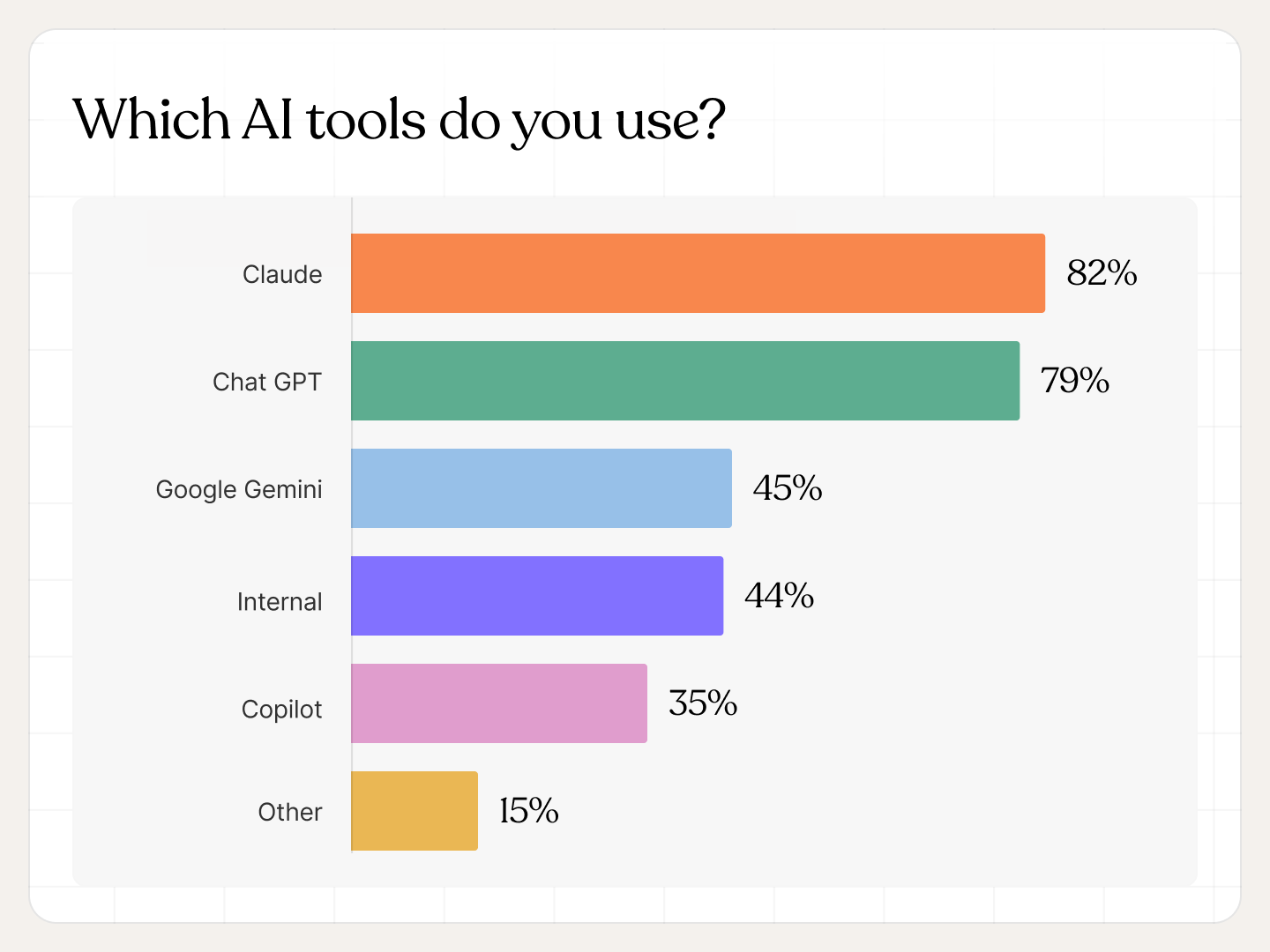
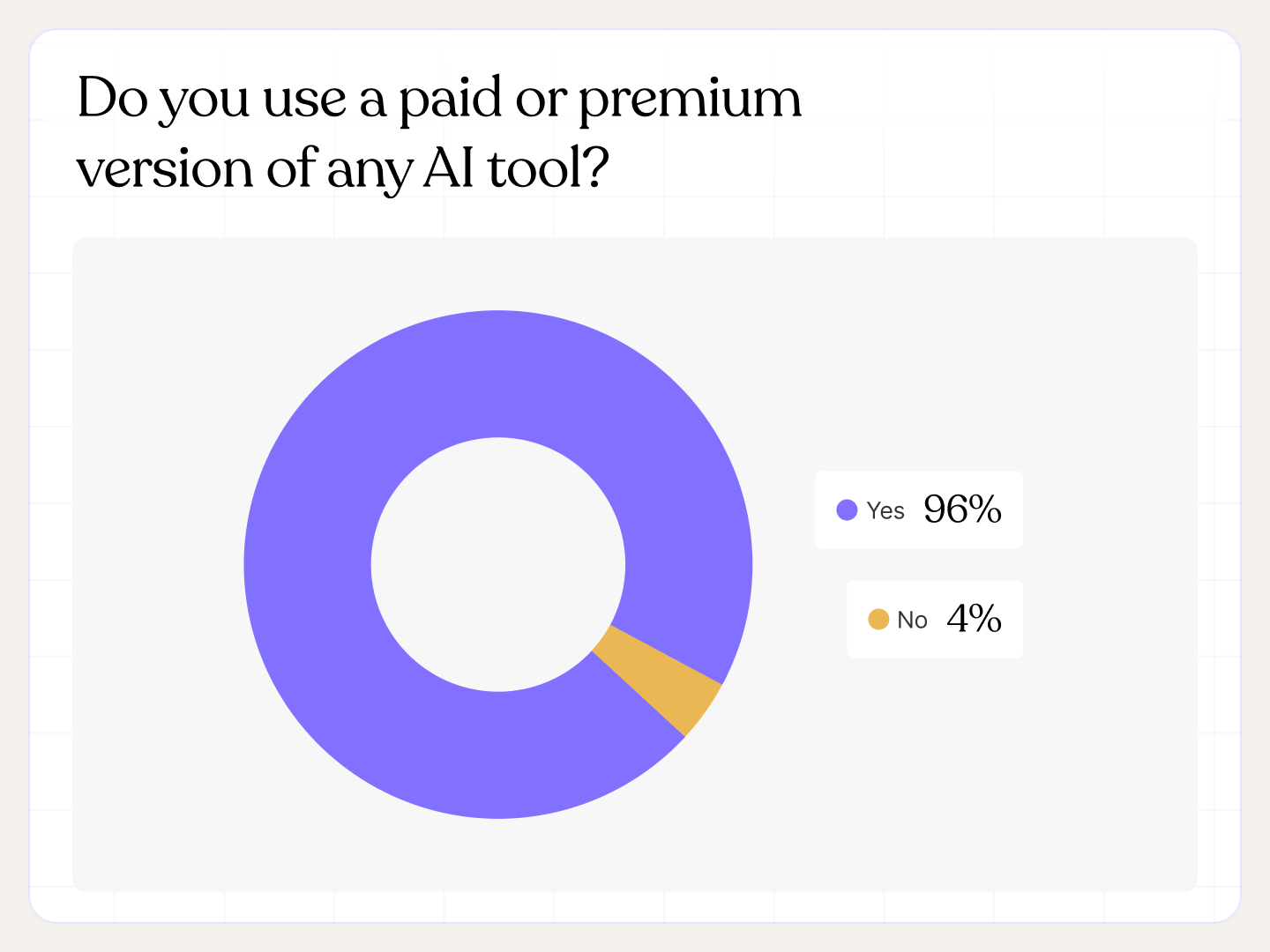
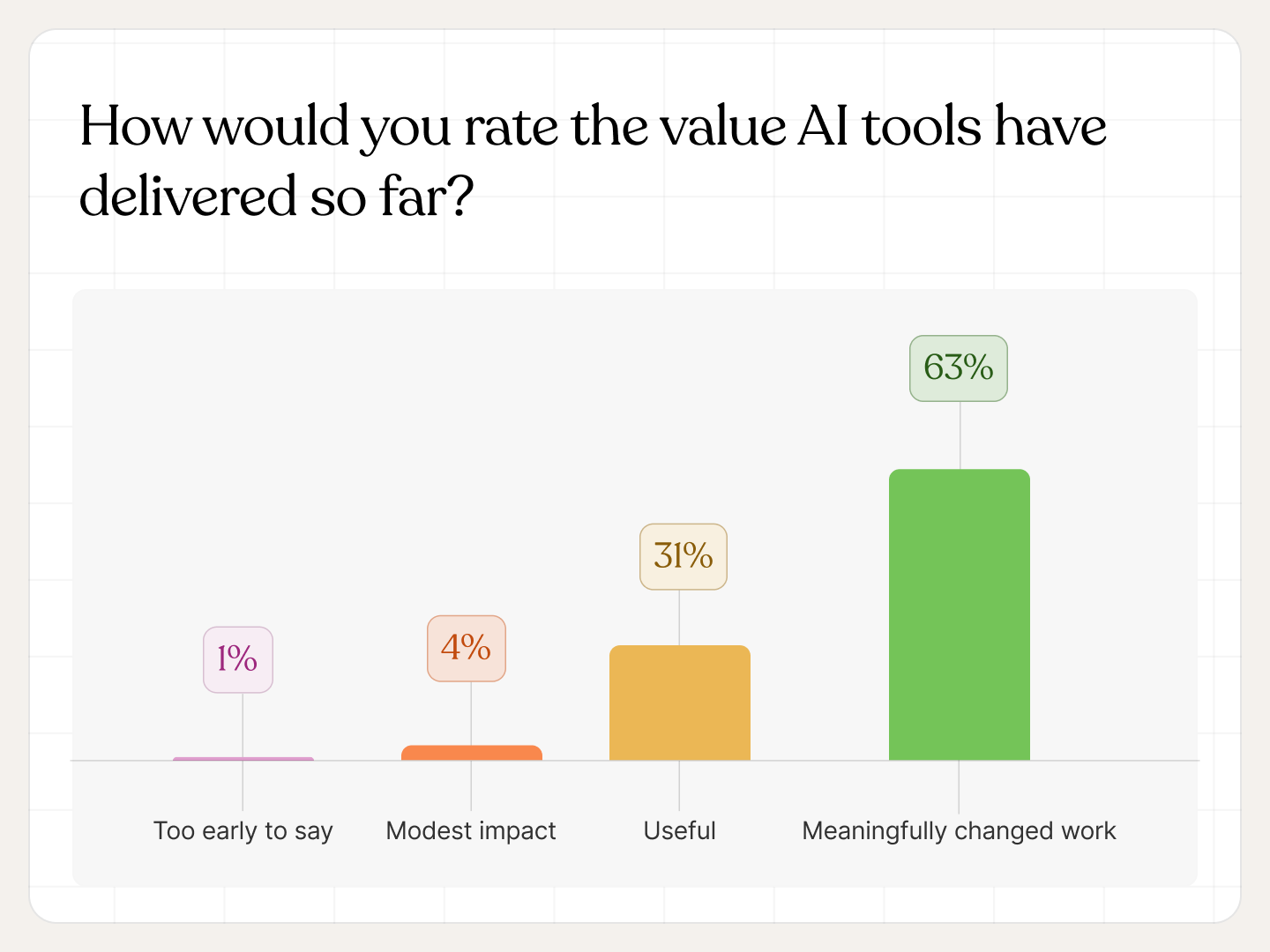
Restaurants are not known for their rapid adoption of technology relative to most industries. And yet, almost everyone we surveyed is using AI daily. 84% of respondents are working with Claude, ChatGPT, Gemini, or other tools, and nearly everyone is paying for it. The majority say AI has already changed how they work.
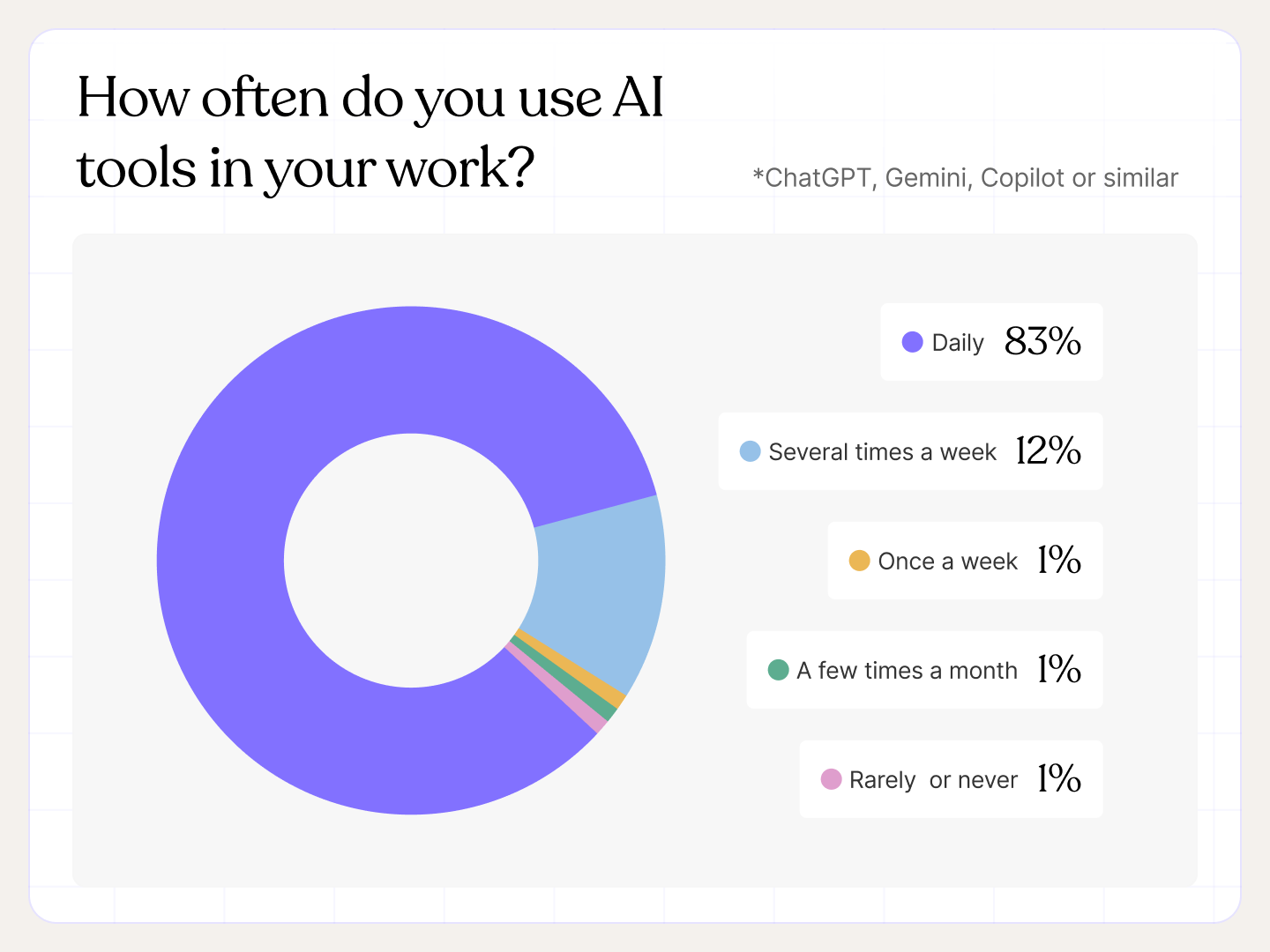
The more interesting story emerged though when we tried to see differences by whether or not a brand has a dedicated AI strategy. Responses were split almost evenly: 47% said it’s a strategic priority or on the roadmap, while 53% said individuals are exploring tools on their own.
While it would be reasonable to expect a gap in usage between top-down vs. bottoms-up organizations, both categories show strong adoption regardless. Daily use runs at 95% at brands with a strategy, with 100% using paid tools. For brands without a strategy, daily usage is at a respectable 75%, with 93% paying for tools.
It seems that when people use AI, they go all-in, regardless of whether or not there’s a corporate mandate behind it.
Most of what gets written about tends to focus on automating manual tasks: writing emails faster, summarizing guest feedback, fielding drive-thru orders. These use cases frame AI as a way to increase productivity and do more with less.
But among the respondents reporting the greatest value from AI, we observed a fundamentally different perspective. Rather than treating it as a faster way to do existing tasks, they are finding novel ways to improve the quality of their thinking, and make better decisions across the business. Specifically, we can call out three key things, supplemented by some of the free text responses we received:
Synthesis: “The gap was never information. It was synthesis at scale. AI doesn’t give us better data. It makes us a better interpreter of the data we already have.”
Time: “In the past, 50% of our decision time was spent building the data set. Now 95% is spent thinking through it.”
Expertise: “I spent an evening learning construction management, used AI to build an onboarding guide, onboarded myself, then improved our NRO process — this happens once a month now.”
The thread connecting all three is that the biggest gains aren't from doing the same work faster — they're from doing work that wasn't previously possible. Even the time savings are less about speed than about where time gets spent: less time aligning on what the data says, more time deciding what to do about it. The OpenAI 2025 State of Enterprise AI found the same pattern across industries — organizations that embed AI into actual decision-making see advantages that compound, while those using it for one-off tasks see incremental gains at best.
We also looked at these responses broken out by strategy vs no strategy brands. Among operators at strategy brands, 81% say AI has meaningfully changed how they work — compared to 53% at brands without one, despite almost every respondent in either group using AI at least several times per week.
Still, the promise of AI is there, even for brands that currently lack a holistic strategy around it. One of the strongest use cases came from a director at a no-strategy brand, the same construction-management story above: he taught himself a new discipline in an evening, built his own onboarding guide, and rebuilt the company's entire new store opening process around it. It's hard to read that and see someone held back by the absence of a strategy.
So what holds these brands back from the benefits their more strategic colleagues see? The answer we found comes down to the literal person in the organization.
At no-strategy brands, progress tends to rest on one motivated person teaching themselves — which works until that person either gets busy or leaves. At strategy brands it's more often built into how they operate: shared tools, connected data, workflows the whole team can use. The strategy doesn't make individuals more capable. It makes their wins repeatable by someone other than them
As a VP at a strategy brand called out:
"One of the more innovative tools we've implemented is an AI persona panel developed by our investment partner. The tool is trained on our guest data, brand positioning, market insights, and performance data to provide feedback on menu items, marketing campaigns, creative concepts, loyalty initiatives, and guest-facing communications. Rather than relying solely on opinions, we can quickly pressure-test ideas through the lens of our target guest before investing time and resources into execution."
Where the construction-management story is all I — I taught myself, I built, I onboarded — this one is we: a tool the team implemented, trained on the company's own data, that anyone can use.
We also wanted to know whether operators feel limited by the tools available to them, or whether AI just isn't capable enough yet to do what they need. The open-text responses answered it clearly: the frustration isn't with the intelligence, it's that the data infrastructure to fully use it hasn't caught up.
But where they're stuck differs in a telling way. At no-strategy brands, the blockers sit at the foundation — the plumbing still isn't built:
And alongside the infrastructure gaps runs a quieter theme: the work simply hasn't been done yet. "Just need to take the time to set up." "I know it can do it, I just haven't figured out how." "We need to take the next step and spin up agents." The ceiling here is partly missing infrastructure and partly missing time and ownership — exactly what you'd expect when there's no dedicated plan behind it.
At strategy brands, the foundation is more often already in place, and the blockers have moved up a level — to harder problems at the edge of what's possible:
Several framed their blockers as in-progress rather than out of reach — "we're close, still tweaking it," "financial budgeting, but we're working on it." Same underlying data challenge, but they're pushing the limits of an existing system rather than wishing one existed.
But even when the data is solved, there's a harder problem operators still own. As one respondent put it:
"A tighter loop between what the data says and what actually changes in the four walls. AI can deliver an optimized playbook for a struggling location. It cannot make a franchisee care. And right now, we are still the ones standing in that gap, translating insight into influence and action, manually, one conversation at a time."
This part doesn’t have a technology solution. The data challenge is a solvable engineering problem. The franchisee challenge is human - the distance between a good recommendation and someone actually acting on it has always been about trust, not tools. Better models won't close it.
Hospitality is, at its core, a people business — full of judgment calls, relationships, and persuasion that no model is going to automate away. That isn't a limitation of the technology so much as a description of the work. The real promise of getting the data and the strategy right isn't that AI takes over the human side of the business. It's the opposite: the more it handles the synthesis and the busywork, the more it frees your team to spend their time where they're actually irreplaceable.
Finally, we wanted to understand the personal stakes operators feel around AI. We asked how much pressure they feel to adopt or champion it at their brand — beyond just using tools like ChatGPT themselves. This gets at something different from usage: not whether they're using AI, but whether they feel they're expected to.
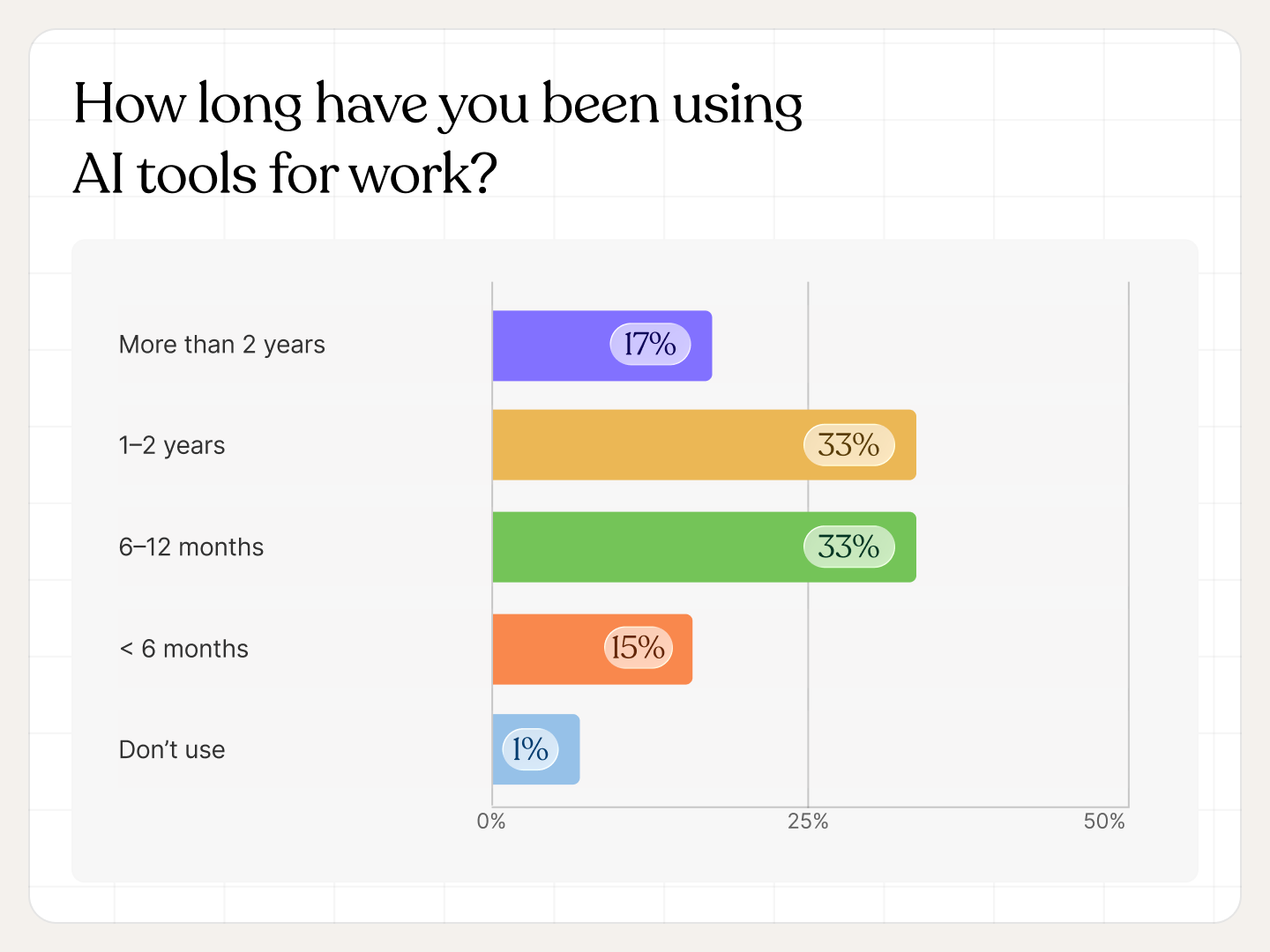
Just over half (51%) said they feel "a lot" of pressure, with another 29% saying it comes up regularly. For a category where most operators were experimenting on their own a year or two ago, that's a fast shift from optional to expected.
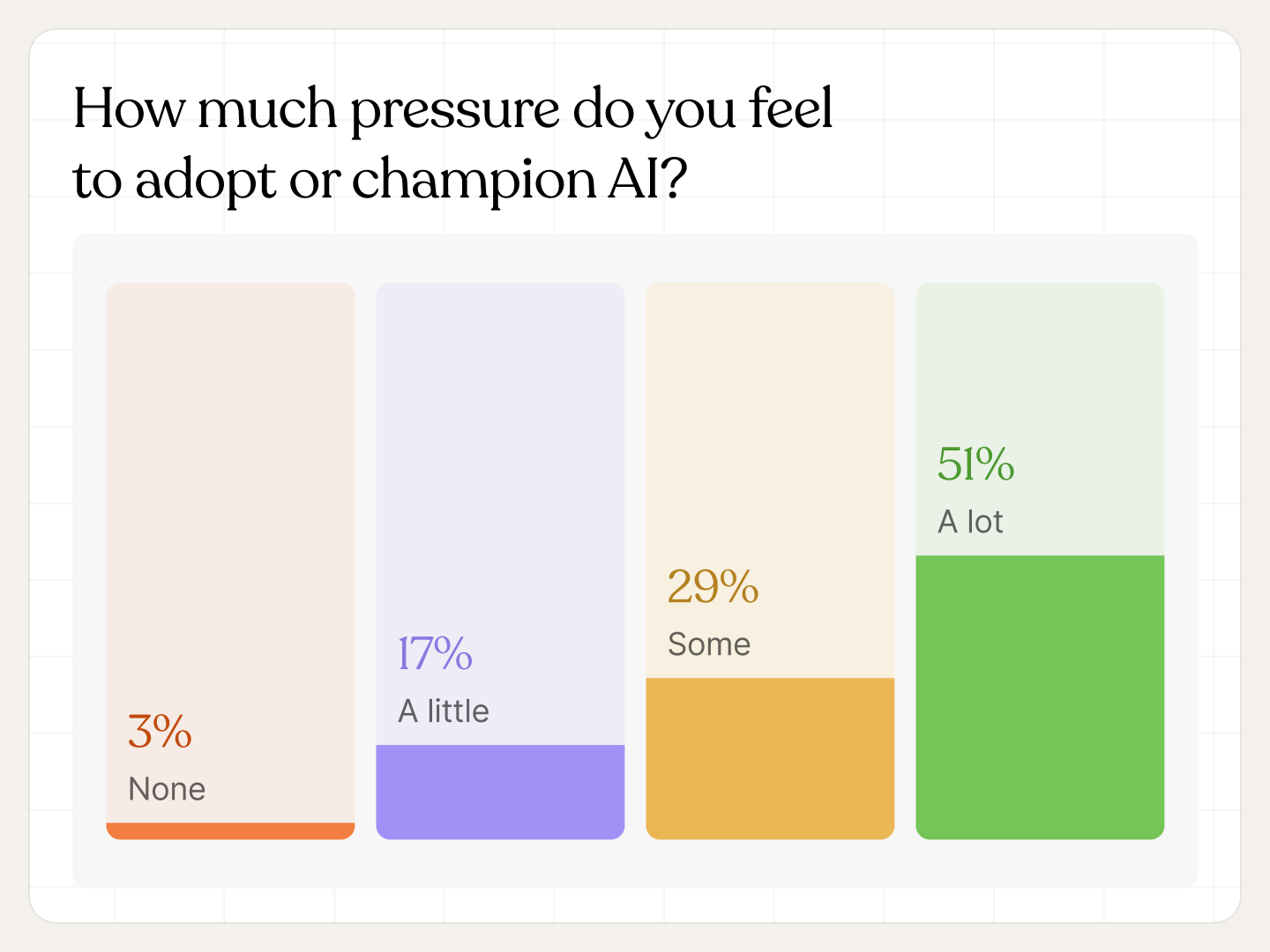
Having a strategy at the brand level nearly doubles the pressure, with over 65% admitting they feel it, compared to just over 30% for no-strategy brands. This makes sense once you stop thinking of strategy as cover and start thinking of it as accountability. Strategy and expectation show up together.
Which leaves one group in the hardest spot: the 19% of operators at no-strategy brands who still feel "a lot" of pressure. They've been handed the expectation without the tools or the data to do anything organizational with it. They're the construction-management director from earlier — except not everyone has the time or drive to teach themselves a new discipline in an evening.
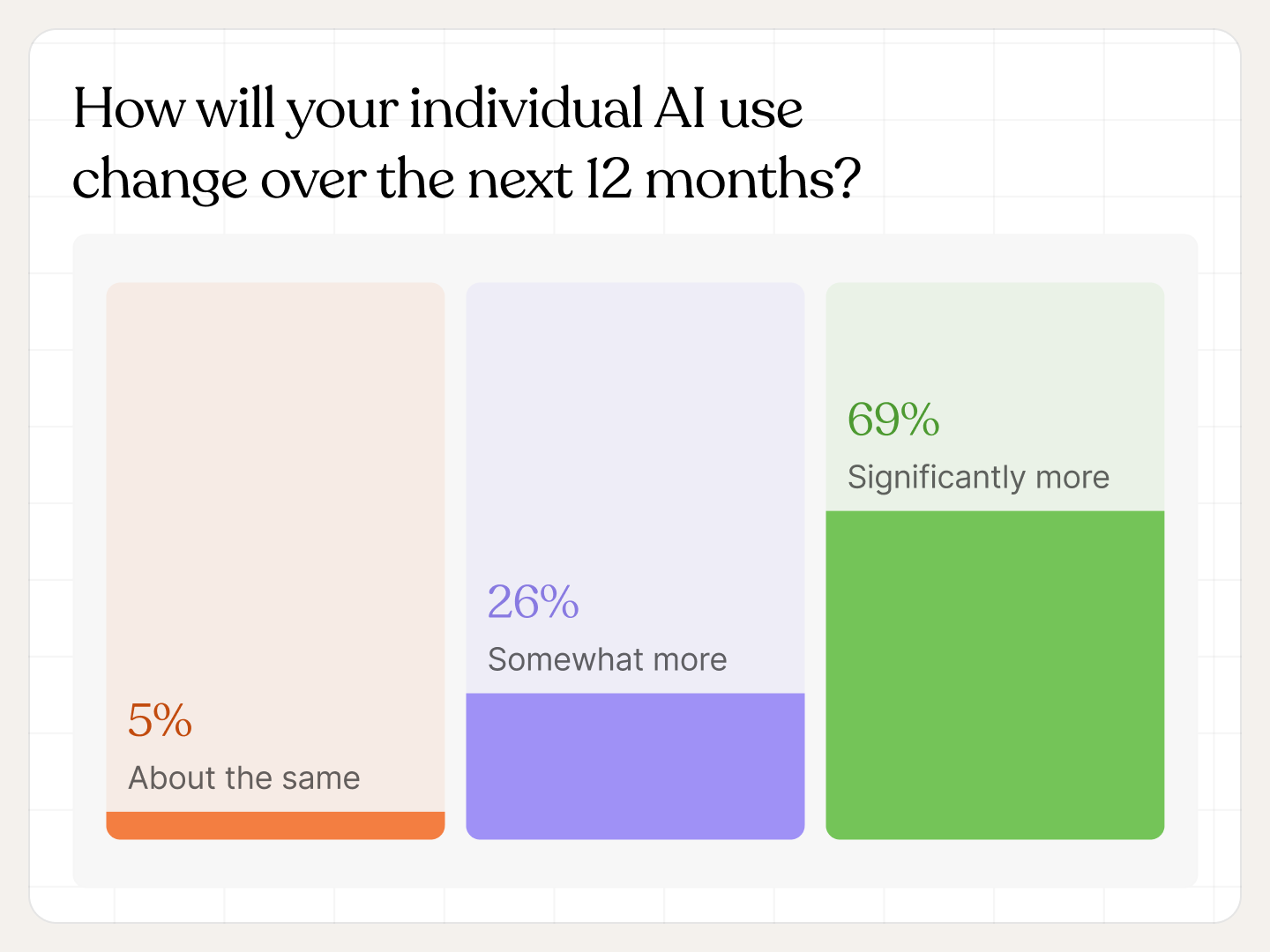
It seems like AI usage is nearly ubiquitous among restaurants, regardless of whether or not they have a defined strategy behind it. That doesn't necessarily make the work feel easier, but what changes is whether all that individual usage turns into something that lasts. At no-strategy brands, the value rests on whoever's motivated enough to build it themselves, and it leaves when they do. At strategy brands, it's more often wired into shared tools and data the whole team can use.
So the question facing restaurant brands isn't whether their people will keep using AI. They will. It's whether the brands will build the layer that lets that usage compound — connected data, shared tools and workflows — or keep relying on a handful of motivated individuals to carry both the work and the pressure on their own.
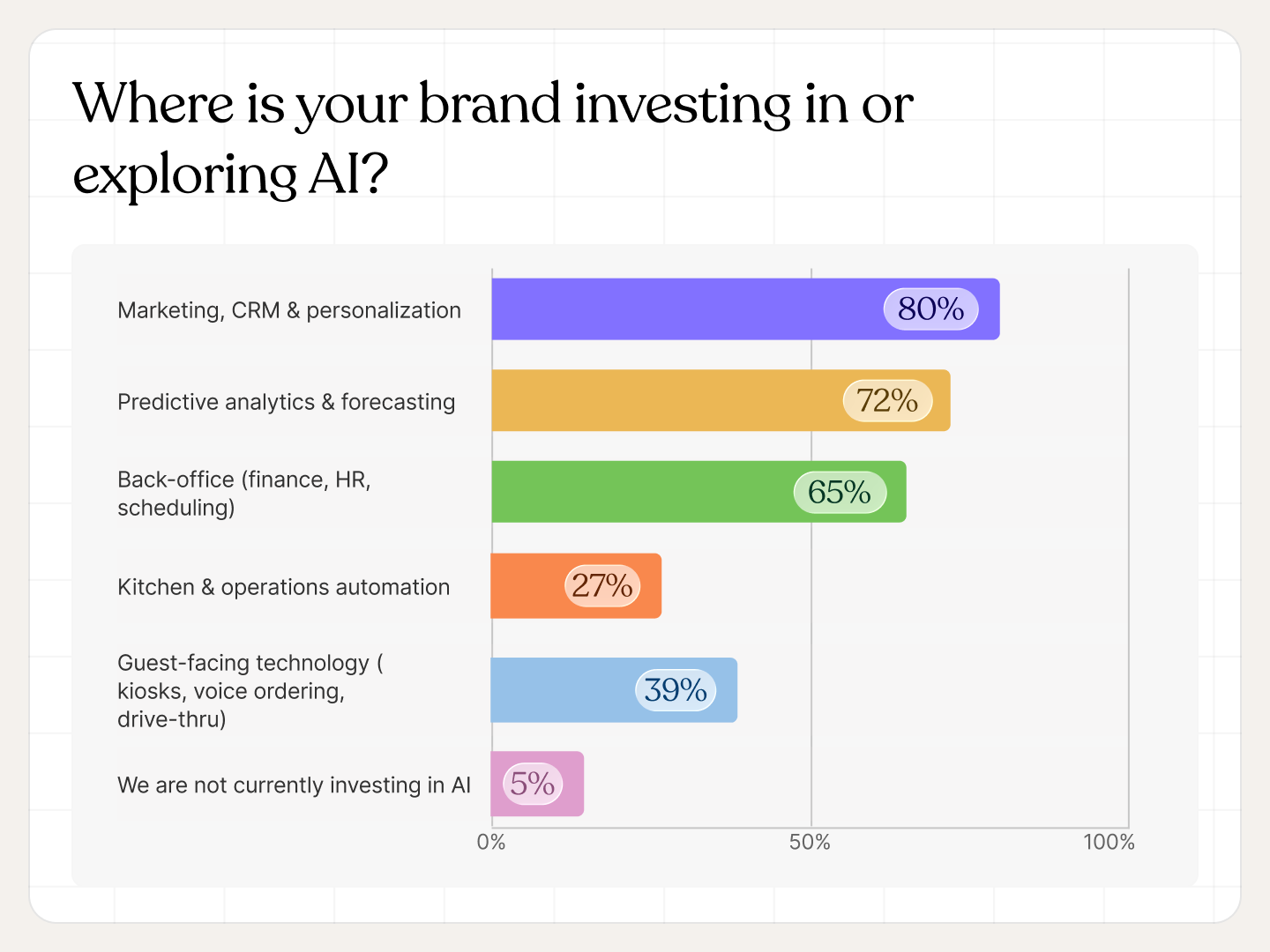
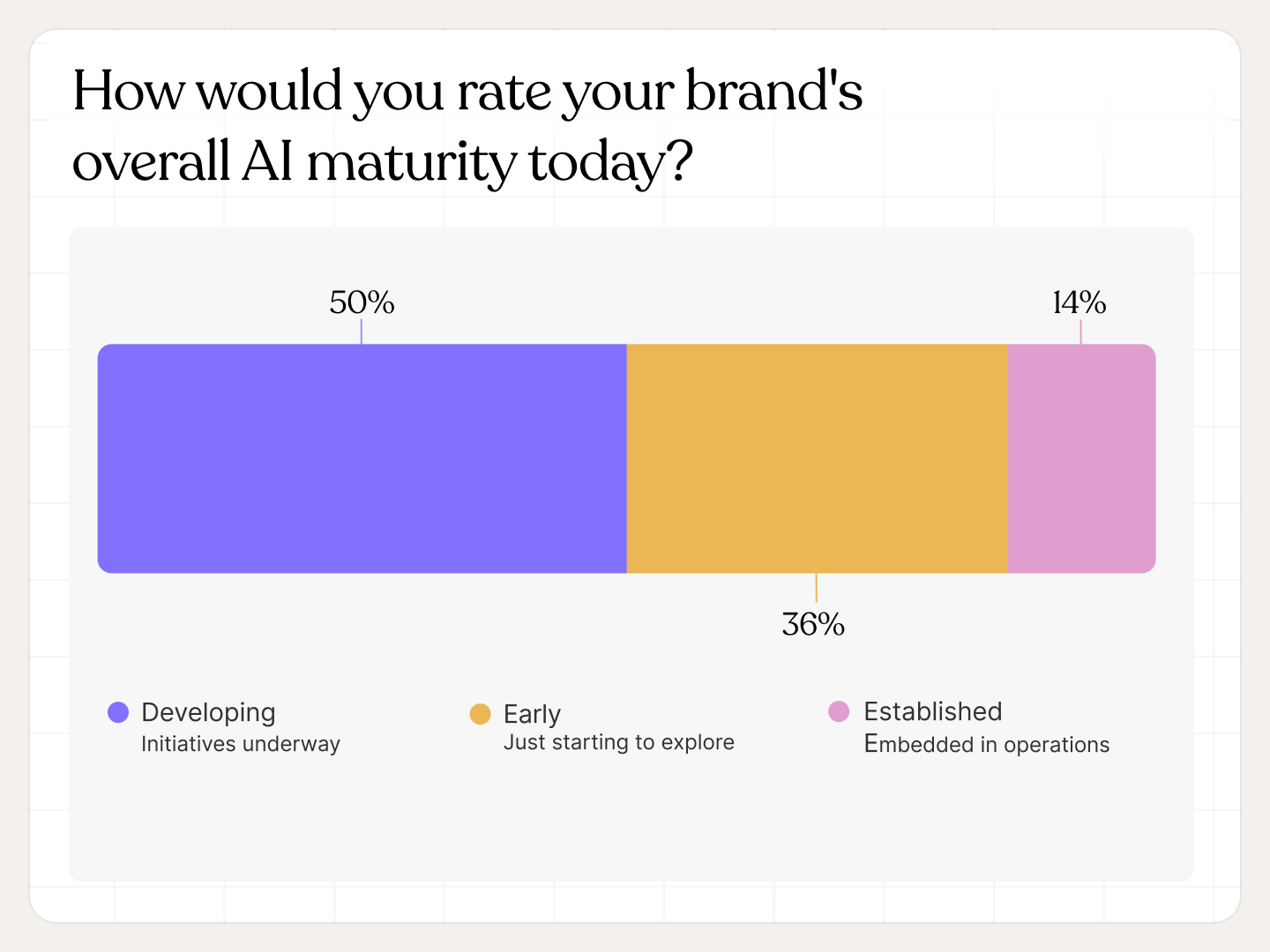
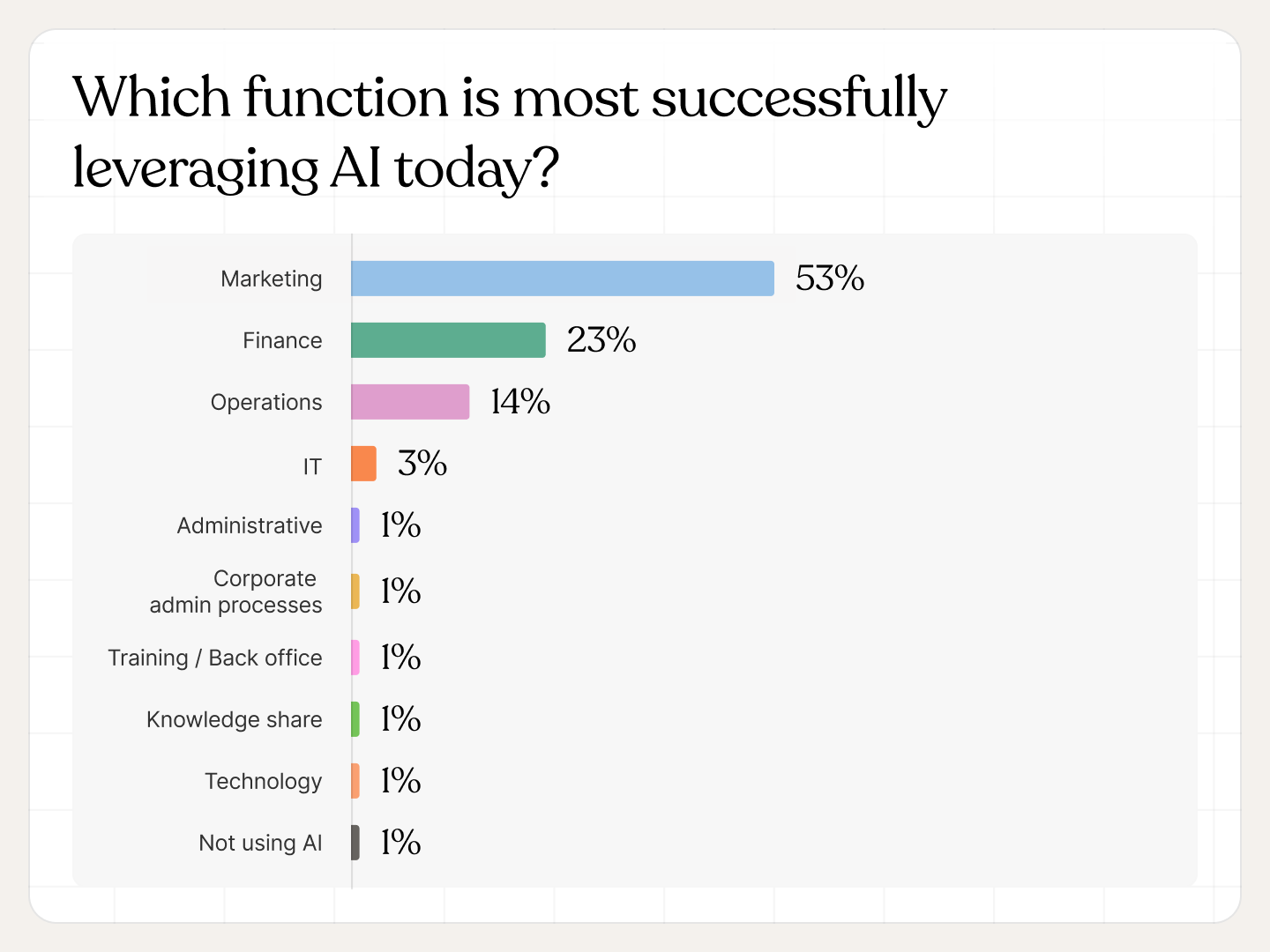
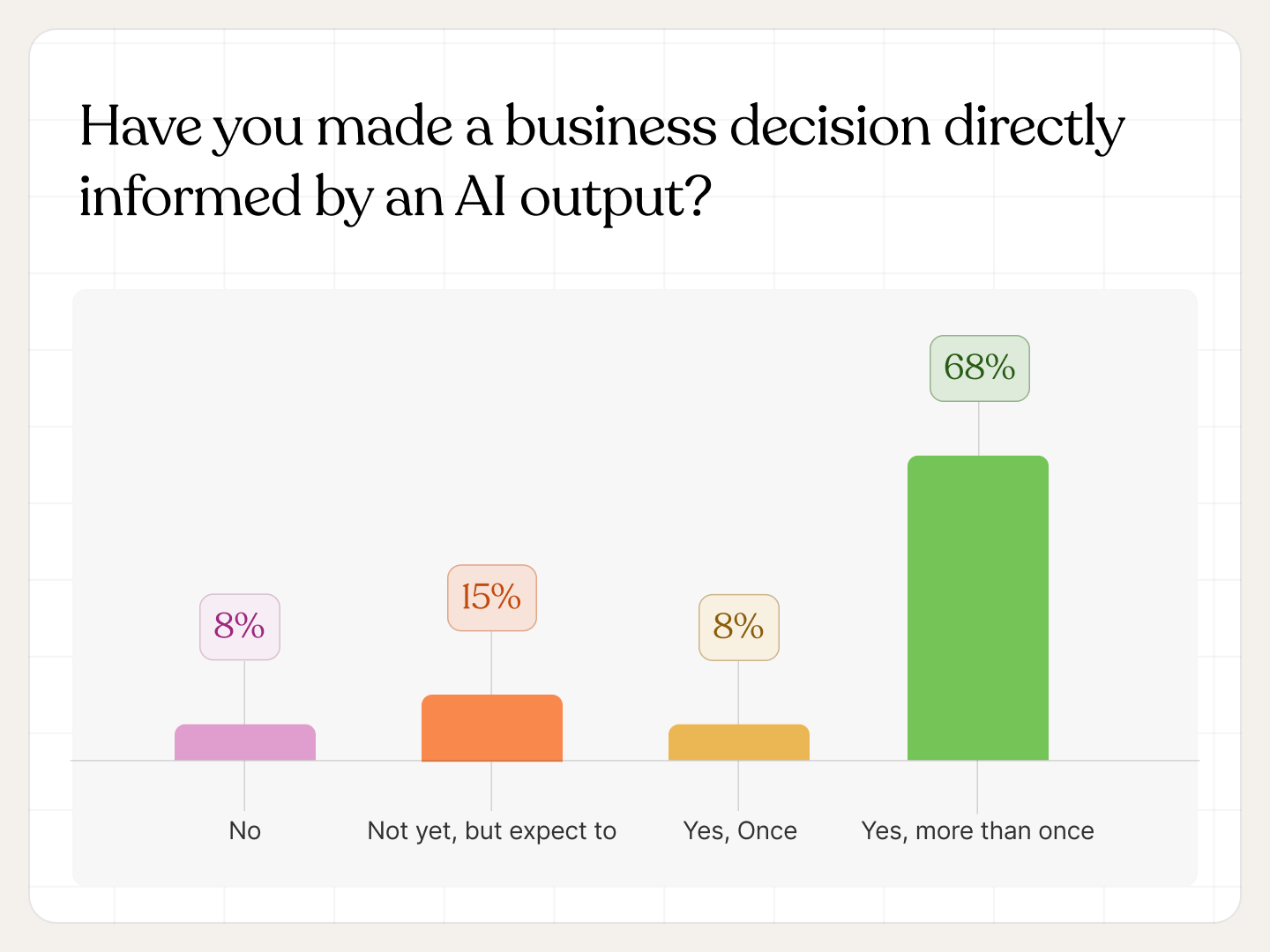
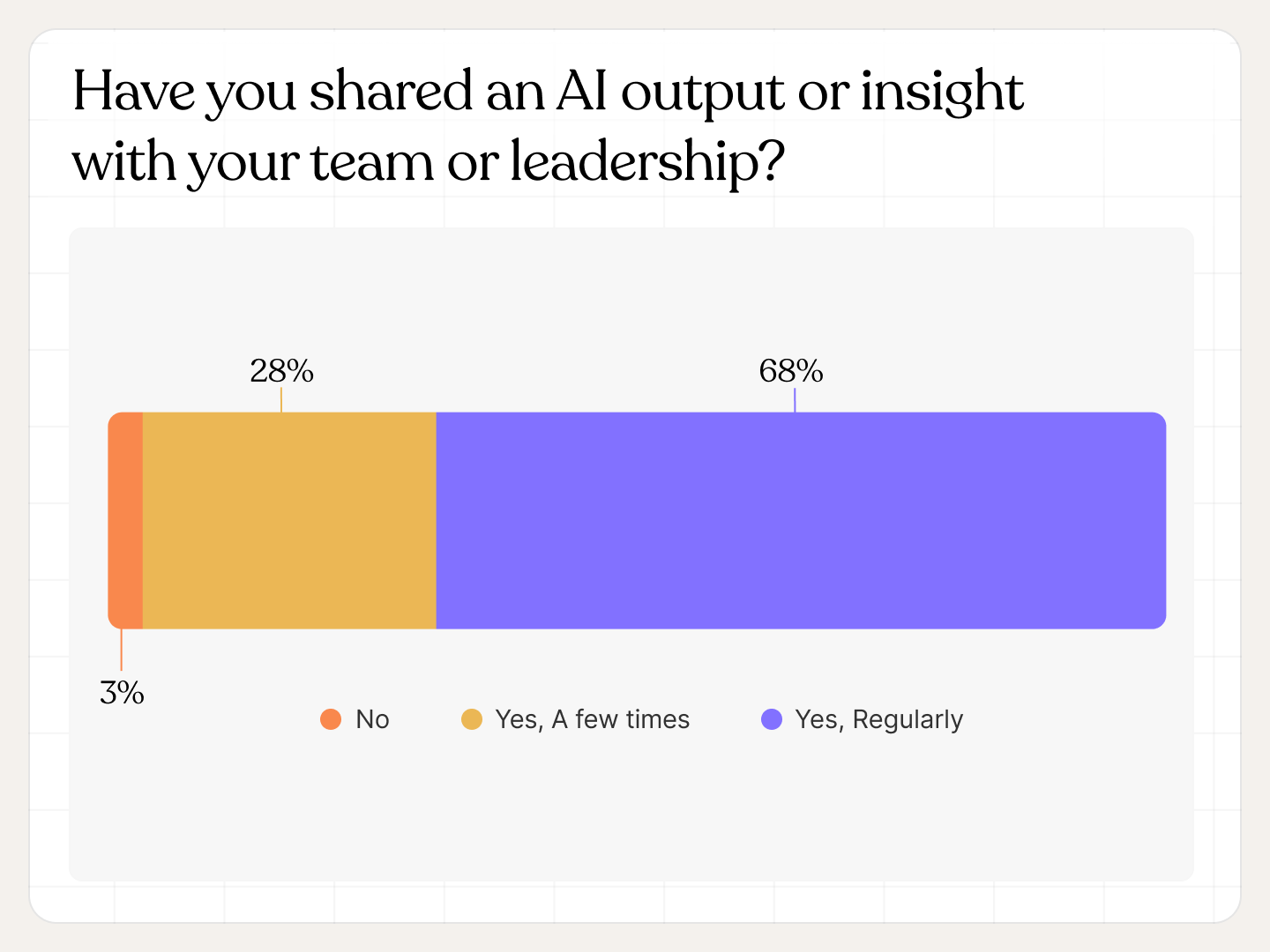
Review the full results of the survey below:
How%20would%20you%20describe%20your%20brand%27s%20current%20stance%20on%20AI%20investment_.png)
The restaurant data platform for your entire team